Challenge
MIT App Inventor ImageBot Tutorial: Imagine, Articulate, Generate
Have you ever wondered how to create your own generative AI app for wildly imaginative visualizations? In this tutorial, you will build a simple app with MIT App Inventor that allows users to connect to OpenAI’s DALL-E generative AI program, submit their own prompts, and see the result in exciting artistic visions from the AI.
Setup
Getting your own OpenAI API Key
For this project you will need to get your own OpenAI API key to use MIT App Inventor’s ChatBot component. As of the writing of this tutorial, OpenAI allows users 13 years old and older to create their own OpenAI accounts and generate their own OpenAI API keys. You will need a credit card. Follow the steps below to create your OpenAI account and get your OpenAI API key.
Follow the steps below to create your OpenAI account and get your OpenAI API key.
-
Go to https://openai.com/
-
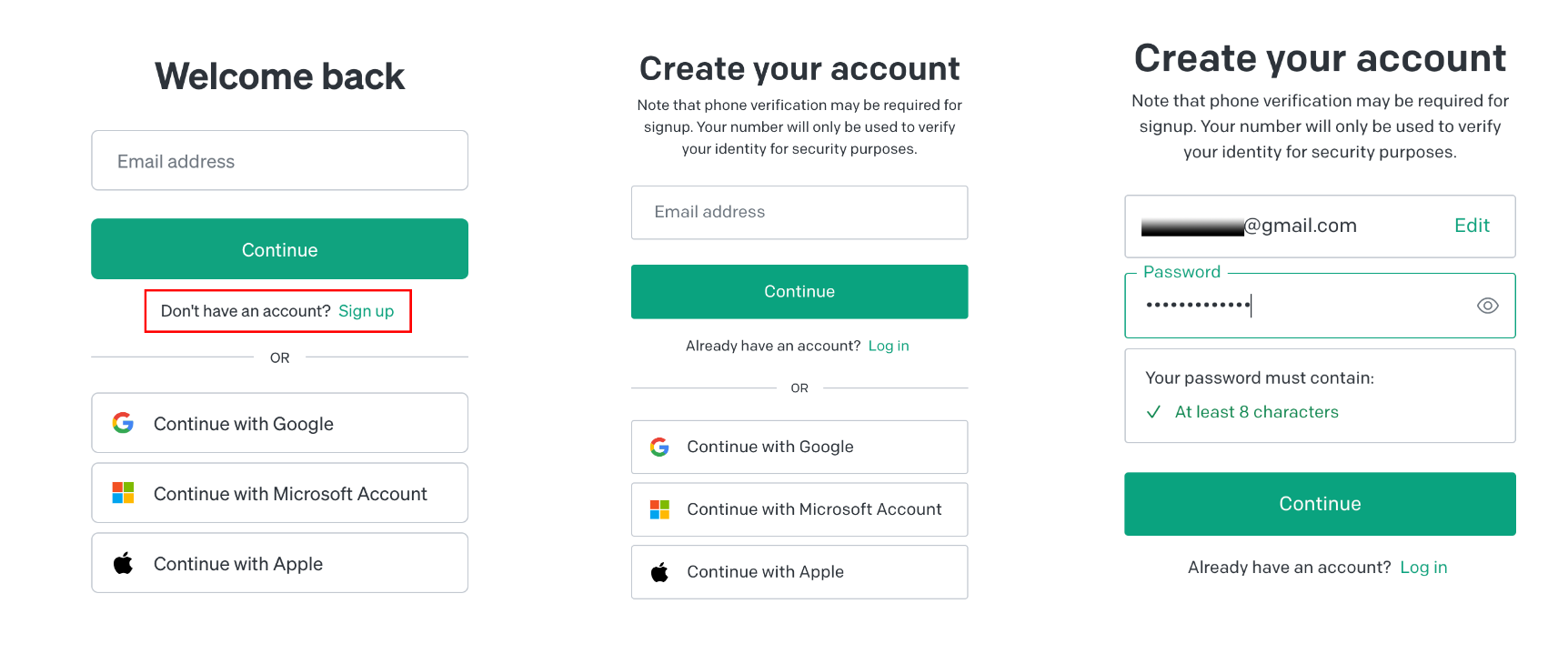
Click on the Login button on the upper right, then click Sign up option.

-
Create your account by entering your email and choosing a password. You can also sign up using your Google, Microsoft and Apple accounts.
-
You will need to verify your e-mail and phone number during the signup process.
-
To get your personal OpenAI API key go to https://platform.openai.com/account/api-keys
-
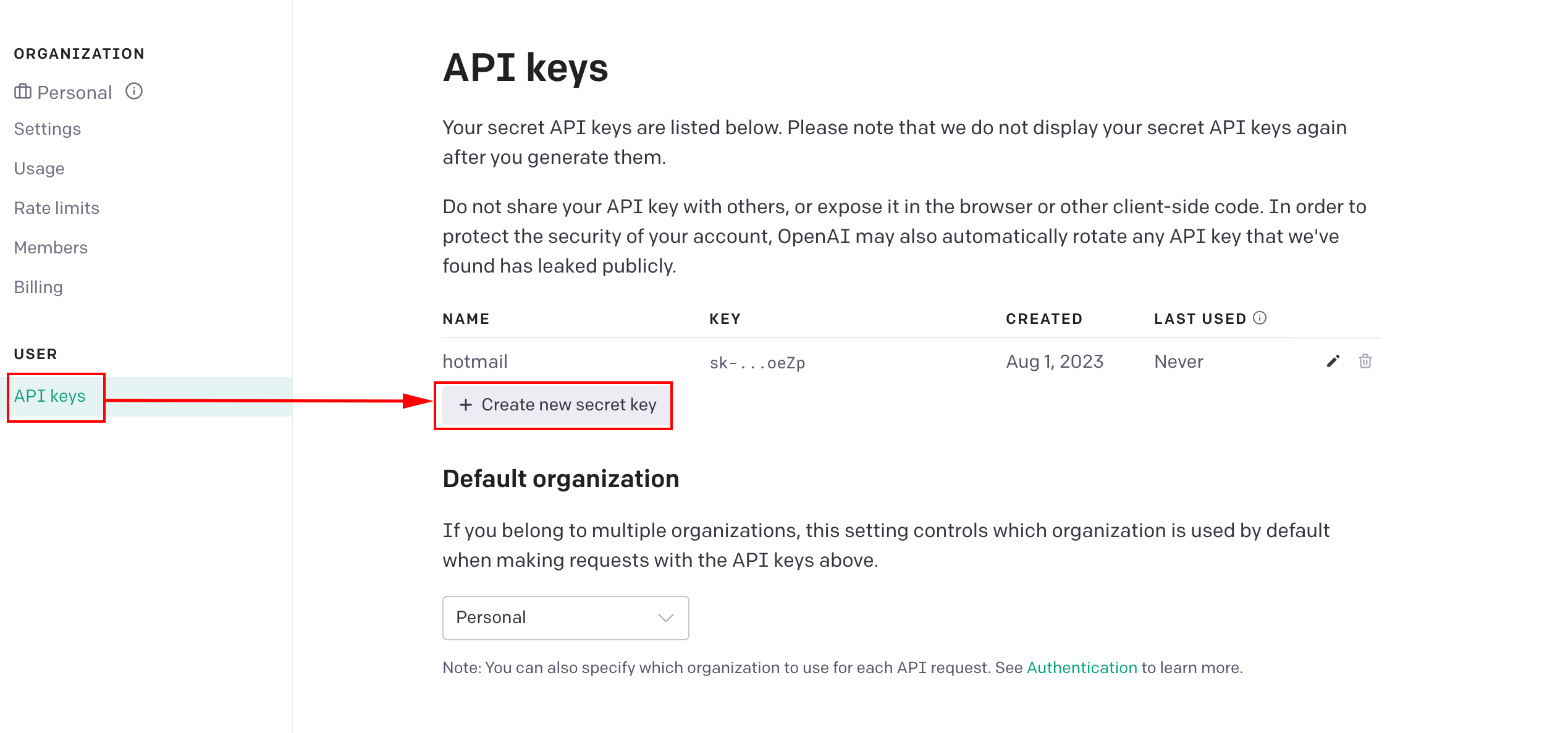
Click on the API keys tab and the Create new secret key button.
-
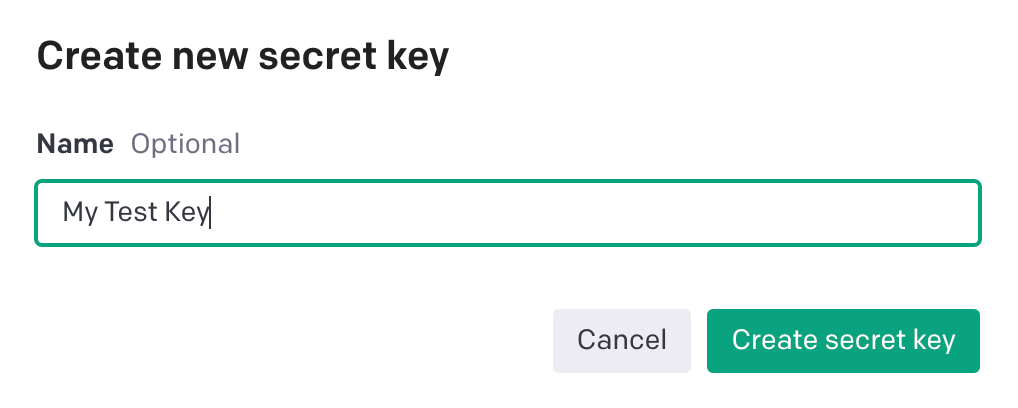
Give your key a name if you wish. This step is optional.
-
Copy and save your API key somewhere safe on your computer. You will need it while doing the project.
-
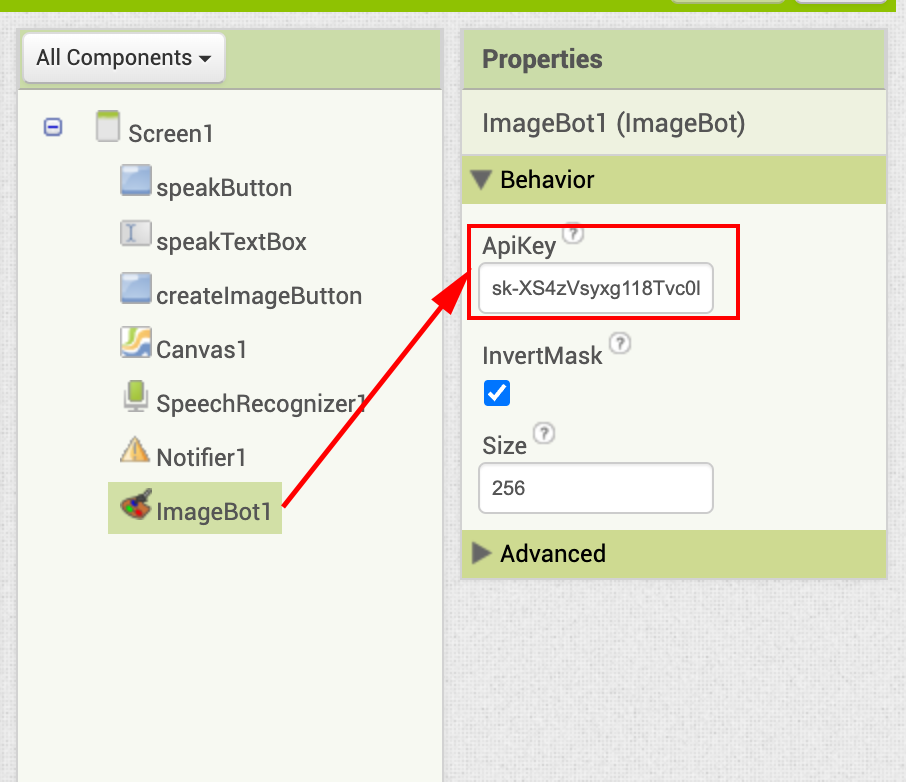
During the ImageBot project, when you add your ImageBot component, you will need to copy-paste your OpenAI API key in the ImageBot property ApiKey.
Updating AI2 Companion
If you have not done so, please upgrade your AI2 Companion to version 2.69 or higher.
Simple ImageBot Tutorial
Overview
In this project you are going to learn how to build an app that can access a generative AI tool like DALL-E and create wildly imaginative visuals based on user input.
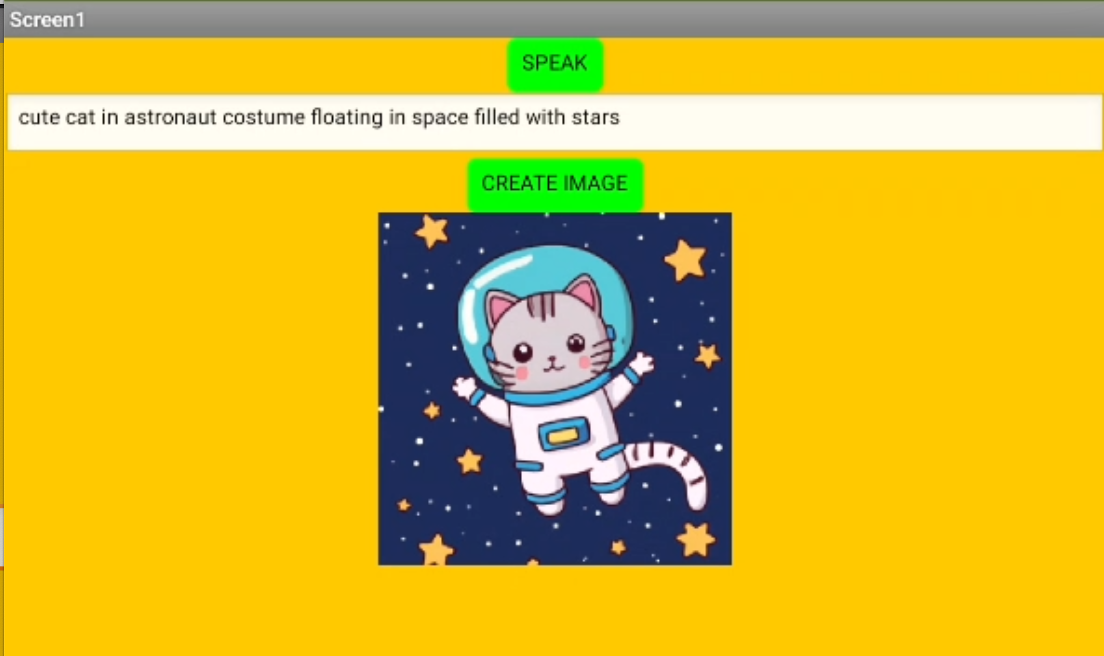
The Graphical User Interface (GUI)
In this project you are given a GUI that is almost completed.
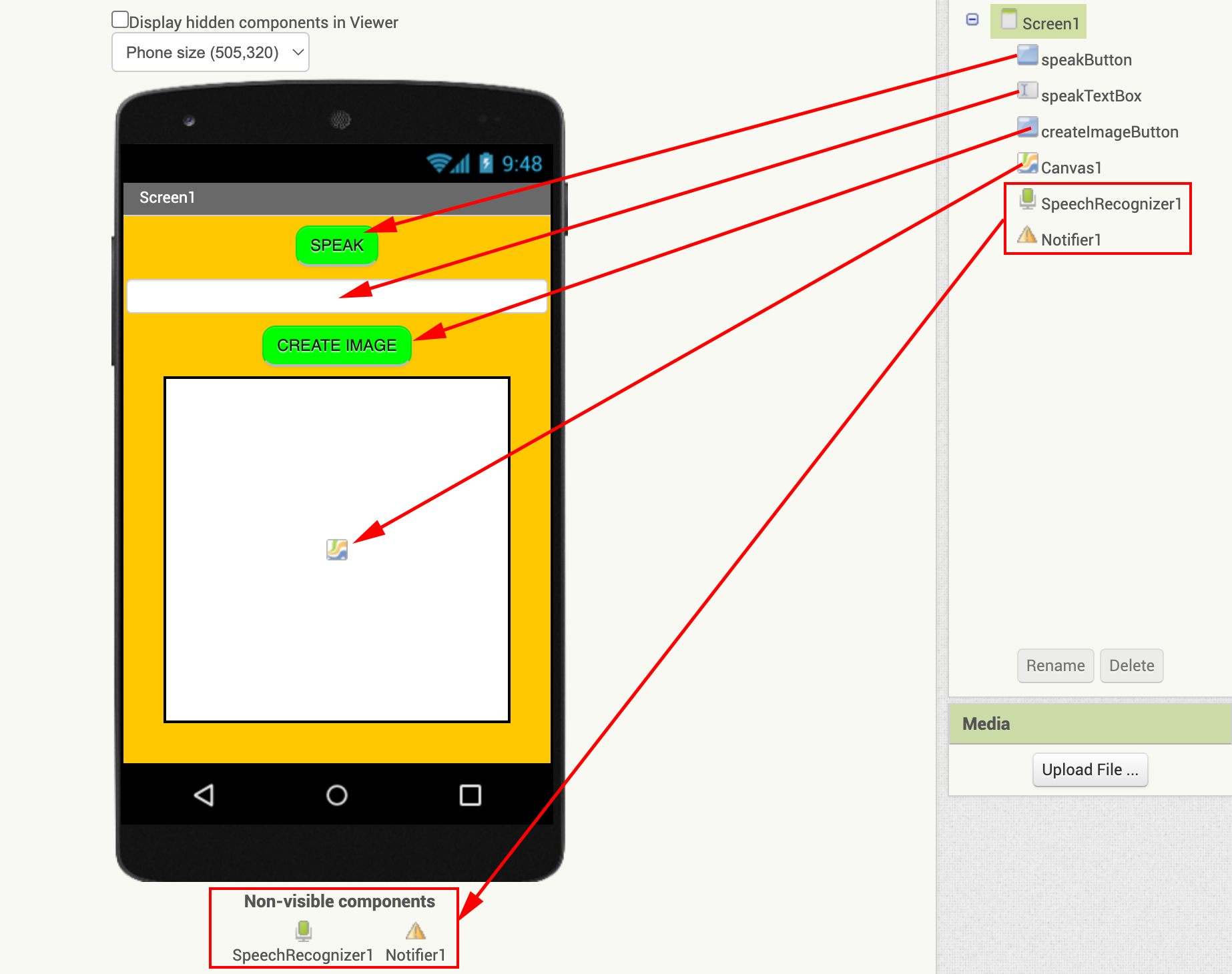
What do you think is the function of each component? Hopefully many of the components will be self-explanatory.
Now from the Experimental drawer drag and drop a ImageBot component.
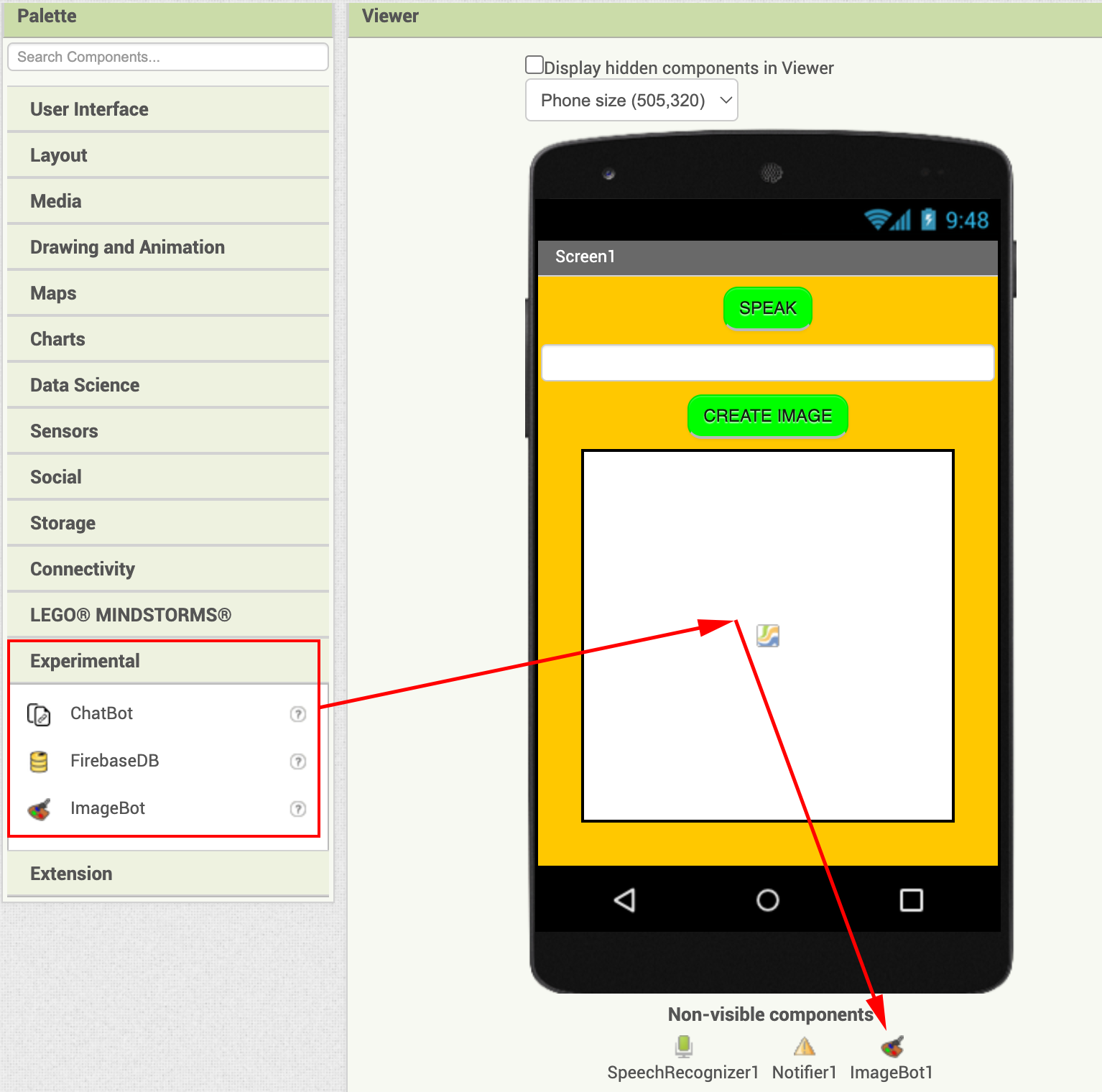
Adding your OpenAI API Key
Now you are ready to copy paste your OpenAI API key you generated during the Setup phase into the ImageBot property ApiKey. Your key will be different than what you partially see below. If you do not generate and use your own OpenAI API Key, the number of queries you can send to OpenAI will be limited.
Getting Users’ Prompt Input
Now click on the Blocks button to start the coding to give functionality to your components.
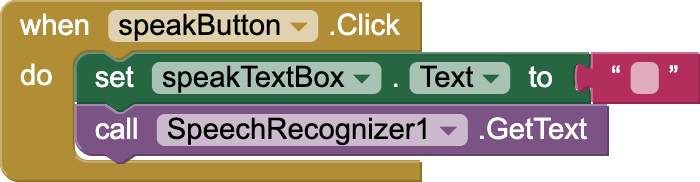
Start by coding the speakButton.
When speakButton is clicked, clear the contents fo the speakTextBox and call the SpeechRecognizer to get the text of the speech
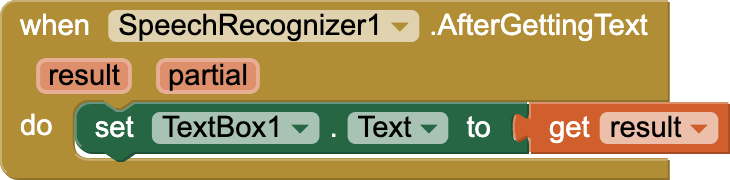
When the SpeechRecognizer returns with the text of the speech, paste this text to the TextBox.
Communicating with DALL-E
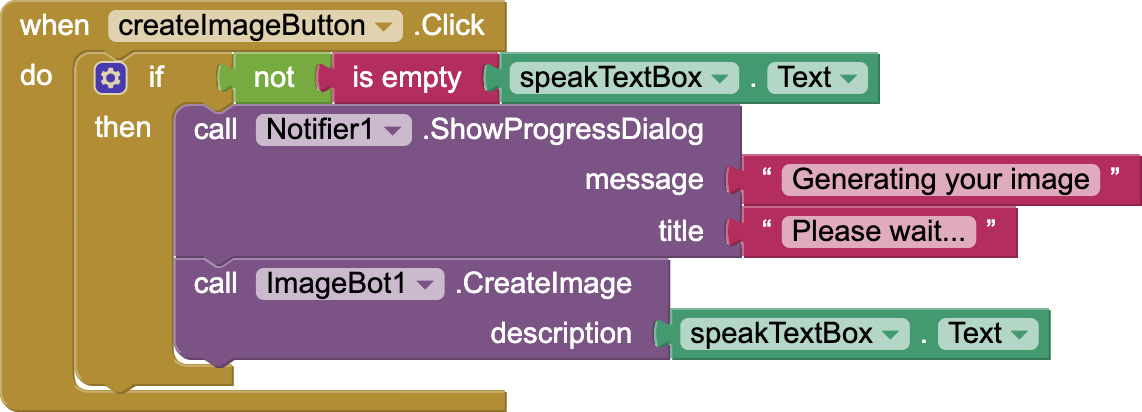
When the createImageButton is clicked:
- Check to make sure that the speakTextBox is not empty, if so
- Call the Notifier to show a progress dialogue to notify the user that their image is being generated.
- Call the ImageBot to send the description entered by the user to be sent to OpenAI DALL-E to create an image.
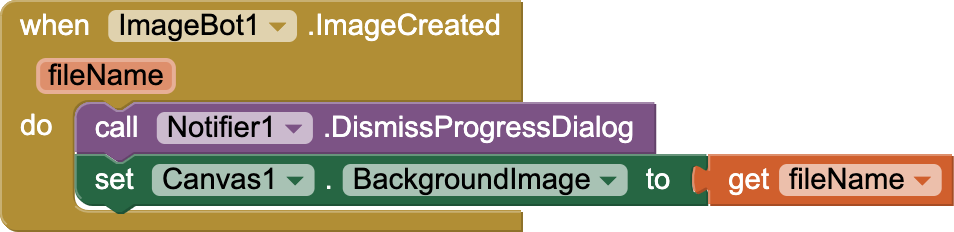
When ImageBot returns with an image:
- Dismiss the Notifier progress dialogue.
- Paste the image to the Canvas.
Testing the app
Now test your app by scanning the QR Code generated via your AI2 Companion.
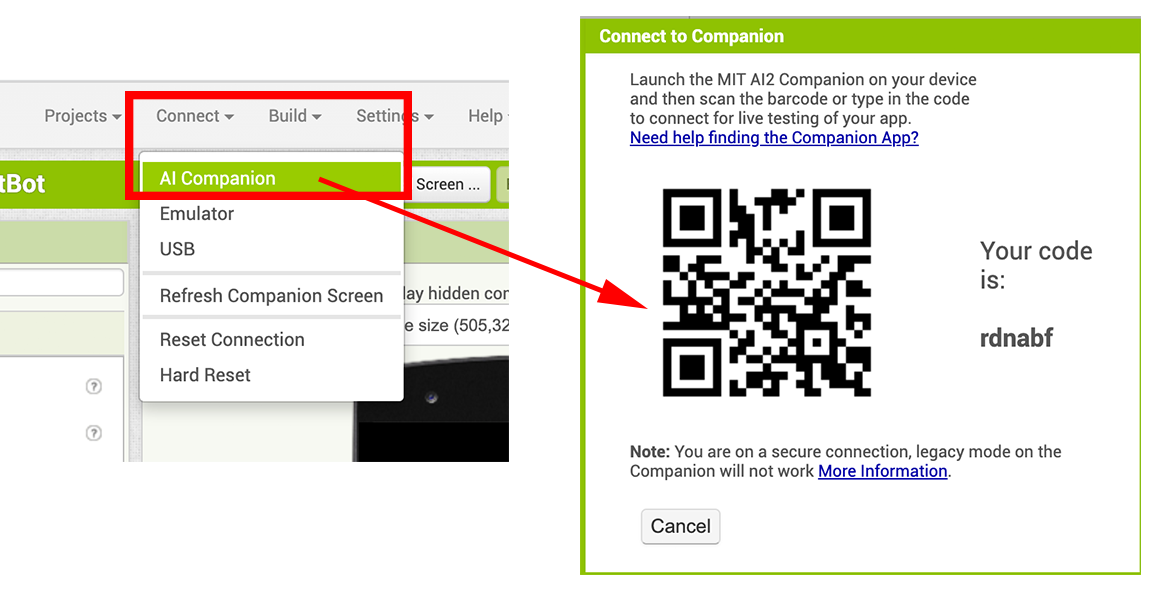
Now test your app by speaking a prompt, generating an image. Try to break it by testing different possibilities of button presses. If any issues are found, revisit your code and make the necessary revisions.
It often takes around a full minute for the ImageBot query to come back from OpenAI because of all the traffic and computation going on with OpenAI. So be patient!
Please note that unless you use your own OpenAI API key, the number of queries you can make to DALL-E is limited.
Congratulations — you have just created a powerful app that can generate creative images from user prompts.
Expand Your App
-
If you have not done so already, get your own OpenAI API key so the number of image generations you can have with the ImageBot is not limited.
-
Learn about Large Language Models (LLM) and how they are able to generate images from user’s prompts. Research artistic generative AI programs like DALL-E to catch a glimpse of how they are trained and how they operate.
-
Have a way for the user to select the image resolution they wish for the image generated. 256, 512 or 1024.
-
Create a share button that allows the image to be shared on social media or via email.
-
Create a version of your app in which users can save their favorite image in an image gallery.
-
Create a UI that allows users to draw over generated images and share these.
-
Create a program that uses ChatGPT to generate a story from user input and then uses DALL-E to generate the visuals that go with the story.
-
Play a game where you separate the prompts from their generated images and see if people can guess which goes with which.
-
Organize a visual arts competition (in your class, school, district) to see who can create the best images.
-
What other awesome ideas do you have?
About Youth Mobile Power
A lot of us spend all day on our phones, hooked on our favorite apps. We keep typing and swiping, even when we know the risks phones can pose to our attention, privacy, and even our safety. But the computers in our pockets also create untapped opportunities for young people to learn, connect and transform our communities.
That’s why MIT and YR Media teamed up to launch the Youth Mobile Power series. YR teens produce stories highlighting how young people use their phones in surprising and powerful ways. Meanwhile, the team at MIT is continually enhancing MIT App Inventor to make it possible for users like you to create apps like the ones featured in YR’s reporting.
Essentially: Get inspired by the story, get busy making your own app!
The YR + MIT collaboration is supported in part by the National Science Foundation. This material is based upon work supported by the National Science Foundation under Grant No. (1906895, 1906636). Any opinions, findings and conclusions or recommendations expressed in this material are those of the author(s) and do not necessarily reflect the views of the National Science Foundation.
Check out more apps and interactive news content created by YR here.